Three is a magic number…
Stewarding a Triple Bottom Line
Margin. Mission. And the discipline to hold all three.
When I wrote Mission Needs Margin, I was clear.
If you cannot fund your work, you cannot fulfil your purpose.
But margin alone is not enough.
The triple bottom line, first articulated by John Elkington, sharpened the frame:
Profit ,People.Planet.
Three accountabilities. Not one.
If you lead in the cultural or third sector, you live this every day.
You are not running a pastime ,you are leading a public-facing enterprise with moral consequence.
And you answer to three bottom lines whether you measure them or not.
Financial
Social and cultural
Environmental and civic

Neglect one and the structure destabilises.
Financial – Discipline Is Respect
Let us speak plainly.
Money is not the enemy of culture ,Mismanagement is.
Commercial performance should not feel uncomfortable ,It should feel responsible.
You need clarity on:
Gross margin by product
Contribution by department
Fully loaded cost of delivery
Break-even point by programme
Not last year ,This month.
Can your trustees read a P&L with confidence?
Do your senior leaders understand yield as well as income?
Do you know which exhibitions generate surplus and which rely on subsidy?
If grant fell by 20% next year, what would you adjust first?
If that question creates anxiety, the issue is not funding - It is grip.
Commercial discipline protects artistic freedom ,It gives you choice.
Recent sector analysis from McKinsey highlights the pressure on publicly funded bodies to diversify income while strengthening cost control. That is not ideology. It is arithmetic.

Margin is not about profit extraction ,It is about mission protection.
People – Impact Beyond Volume
Your mission is not a sentence in your annual review. It is a public promise.
Many organisations measure activity:
Footfall,Workshops delivered ,School visits
That is throughput ,Impact is different.
Who returns? ,Who feels belonging? ,Who progresses into opportunity? ,Who influences your governance?
If your café surplus funds mission, say so.
If a touring exhibition makes money but strains something else, acknowledge the trade-off.
Leadership requires you to hold tension calmly.
You will need to say:
This programme costs us money and we stand by it.
This commercial offer funds BAU.
This partnership matters beyond income.
Clarity builds trust ,Ambiguity erodes it.

Your people bottom line is not sentiment ,It is evidence of value.
Planet – Stewardship Over Optics
Cultural estates are complex and expensive.
They consume energy ,They require maintenance ,They carry risk.
Environmental responsibility cannot sit in a separate strategy.
Ask yourself:
Are capital decisions informed by lifecycle cost?
Are you prioritising maintenance by risk, not noise?
Is decarbonisation linked to operating efficiency?
If sustainability is treated as a communications exercise, future boards will inherit the bill.
And civic responsibility extends further.
You shape the place you occupy.
Do you pay fairly? -Do you procure with transparency? -Do you govern with integrity?
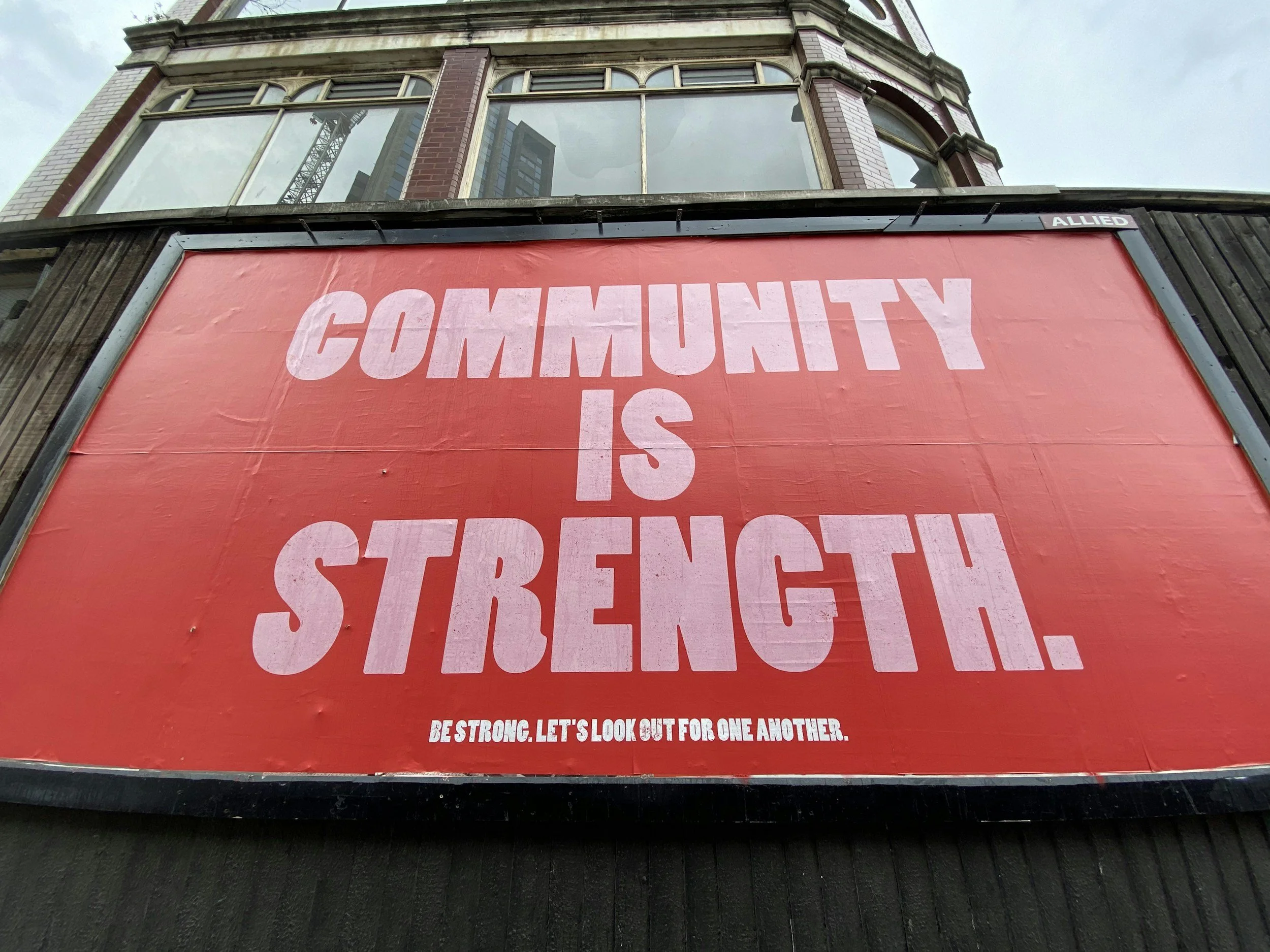
Would your community trust you with its memory ? That is the deeper test.
This Is Executive Work
The triple bottom line fits neatly on a slide.
In practice, it is demanding.
You are accountable to:
Public
Donors
Visitors
Staff
Future generations
You must speak about profit and equity in the same conversation ,defend artistic ambition and interrogate cost with equal rigour alongside protecting heritage while expecting commercial return.
Cultural leadership is not softer than commercial leadership ,It is more exacting.
You hold public expectation and financial exposure together and that my friends requires steadiness.
