Mission Needs Margin
I spend a great deal of time in boardrooms where commercial activity is discussed as though it were optional.
It is not.
For many UK cultural and heritage organisations, commercial strategy is now a matter of governance.
It sits alongside collections care, safeguarding and financial controls.
If you do not approach it with the same seriousness, you place your mission at risk.
Let us be clear. A café is not commercial strategy ,a retail shop is not commercial strategy ,a sponsorship deck is not commercial strategy.
Commercial strategy is the deliberate design of income models that protect your purpose.

That requires discipline.
Start With Financial Truth
In my work across organisations such as National Museums Liverpool and in advisory conversations with peers across the sector, I see a recurring pattern.
Boards know the income gap.
They do not always understand the structural drivers behind it.
Ask yourself:
What proportion of your unrestricted income is genuinely controllable?
How exposed are you to single funding streams?
Which assets are under-performing?
Where are you subsidising activity without clarity?
A commercial strategy begins with financial honesty.
Without it, you are simply adding activity.
Treat Your Estate as a Balance Sheet, Not Just a Burden
Most heritage organisations hold significant physical assets.
They often see them as liabilities.
I encourage you to examine them differently.
Your estate is:
Trading space.
Event capacity.
Partnership leverage.
Brand platform.
Energy cost risk.
Capital opportunity.
Commercial strategy requires you to map every square metre:
What does it cost? ,What does it generate? ,What could it generate? ,What must remain protected?
Commercial activation does not mean compromise.

It means intention
Elevate Commercial to the Executive Table
Too often commercial teams sit below the strategic conversation.
Retail and catering become operational rather than strategic.
This is a mistake.
When I review structures, I look for three things:
Is commercial represented in strategic decision-making?
Does the board understand trading margins?
Are KPIs aligned to organisational outcomes, not just turnover?
If commercial leadership is isolated, performance plateaus.
If it is integrated, it shapes programming, estates planning and audience development.
This is not about selling more merchandise.
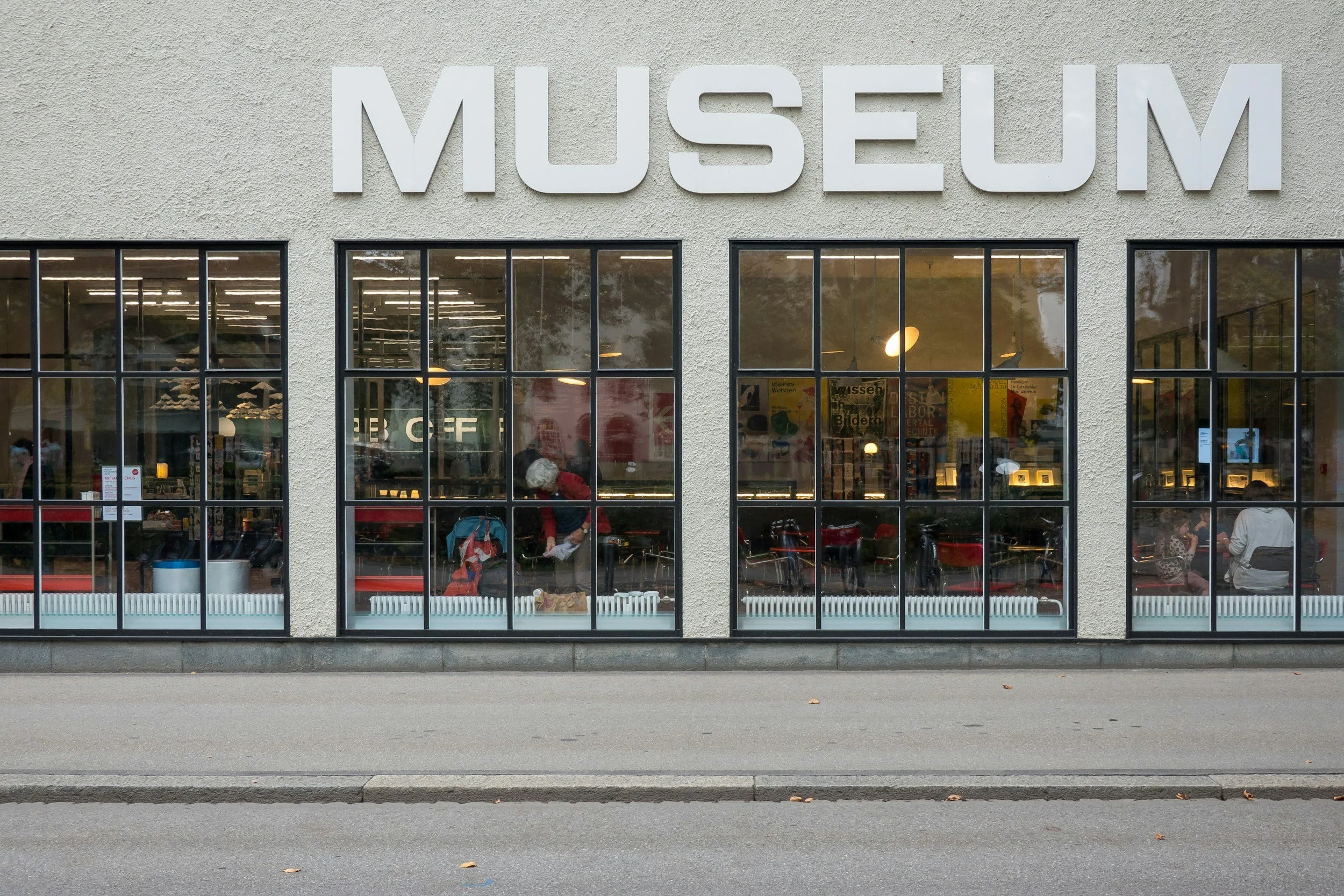
It is about shaping the whole economic model.
Align Mission and Margin
The tension between mission and money is real.
I do not dismiss it ,But it is often framed poorly.
The question is not:
“How do we commercialise without damaging our integrity?”
The question is:
“How do we design income models that reinforce our purpose?”
Examples include:
Membership models that deepen engagement.
Retail ranges aligned to collections and scholarship.
Venue hire that introduces new audiences.
Food and beverage that reflects place and story.

When margin supports mission, commercial confidence grows.
Governance Maturity Is the Differentiator
The organisations that will endure are not the most subsidised.
They are the most disciplined.
Commercial governance requires:
Clear subsidiary structures where appropriate.
Defined risk appetite.
Data literacy at board level.
Performance dashboards that go beyond narrative comfort.
Many boards remain hesitant.
Some fear reputational risk ,Some lack commercial experience ,Some simply have not made it a priority.
If you are a Chair or Trustee reading this, I would ask:
Does your board have commercial fluency?
Do you interrogate income strategy with the same rigour as capital expenditure?
Do you understand your cost of sale?

If not, the work begins there
The Strategic Choice
The current funding climate across the UK is not temporary.
Public subsidy will remain constrained.
Energy costs, wage pressures and capital compliance obligations will not ease.
The organisations that thrive will do so because they choose discipline early.
Commercial strategy is not a reaction.
It is a design choice.
It demands clarity ,It requires courage ,It rewards consistency.
If you lead a cultural organisation, you must decide:
Will commercial activity remain peripheral?
Or will you treat it as a core governance discipline?
That decision will shape your next decade.
