The Experience Equation
Why Attractions Really Win or Lose on the Floor and Where it actually lands
After 25 years working across kitchens, live entertainment and the cultural sector, I’ve come to a view that has stayed with me. Most organisations don’t struggle because they lack ideas. They struggle because the basics are not held, day in, day out, with any real consistency.
If you run a venue, whether that’s a museum, gallery, stadium or attraction, you live or die on two things. What the visitor feels when they walk through your doors, and what your team does in response to that moment. Everything else, strategy, plans, structures, sits somewhere behind those two truths.
The first few minutes matter more than you think
There is nowhere to hide in a physical space. A visitor forms an opinion within minutes. They notice how they are greeted, how easy it is to find their way, whether the place feels calm or chaotic, whether the people around them seem present or distracted. That judgement is quick, and once it’s made, it tends to stick.
There’s a weight of research that now supports what many of us have known instinctively for years. PwC has shown that experience sits at the heart of how people choose where to spend their time and money. Deloitte and McKinsey & Company draw a similar line. Organisations that take experience and culture seriously tend to outperform those that don’t, not just in revenue, but in how well they endure.
You can feel that when you walk into a place that is working. There’s a quiet sense of ease. You are not searching for direction or second-guessing yourself. Things make sense. People seem to know what they are doing.

You settle into it without thinking too hard about why.
Experience is the product
Experience is not a layer that sits on top of operations. It is the operation. It is the product in its fullest sense. If a visitor cannot find their way, if they wait too long, if they feel unsure or overlooked, then that is the experience, regardless of how strong the content might be behind it.
When it works, the shift is noticeable. The journey feels simple. The space feels considered. There is a sense that someone has thought about this before you arrived. Visitors stay longer, they engage more deeply, and, almost without realising it, they spend more. Not because they are being pushed, but because it feels right to do so.
Culture shows up when it matters
None of that happens in isolation. It is delivered, moment by moment, by people. And that brings you to culture.
Culture is often spoken about in broad terms, written into values statements and strategy documents. But for me, it shows up in something far more practical. It shows up when something goes wrong. It shows up in how a member of staff responds when there isn’t a manager standing beside them, when there is no script to follow.
If they act with confidence, with care, with a clear sense of what matters, then you have something solid to work from. If they hesitate, if they step back, if they look for someone else to take ownership, then the cracks begin to show.
You can walk through a building and see it play out. One part of the venue feels sharp and engaged. A few steps later, it feels flat and uncertain.
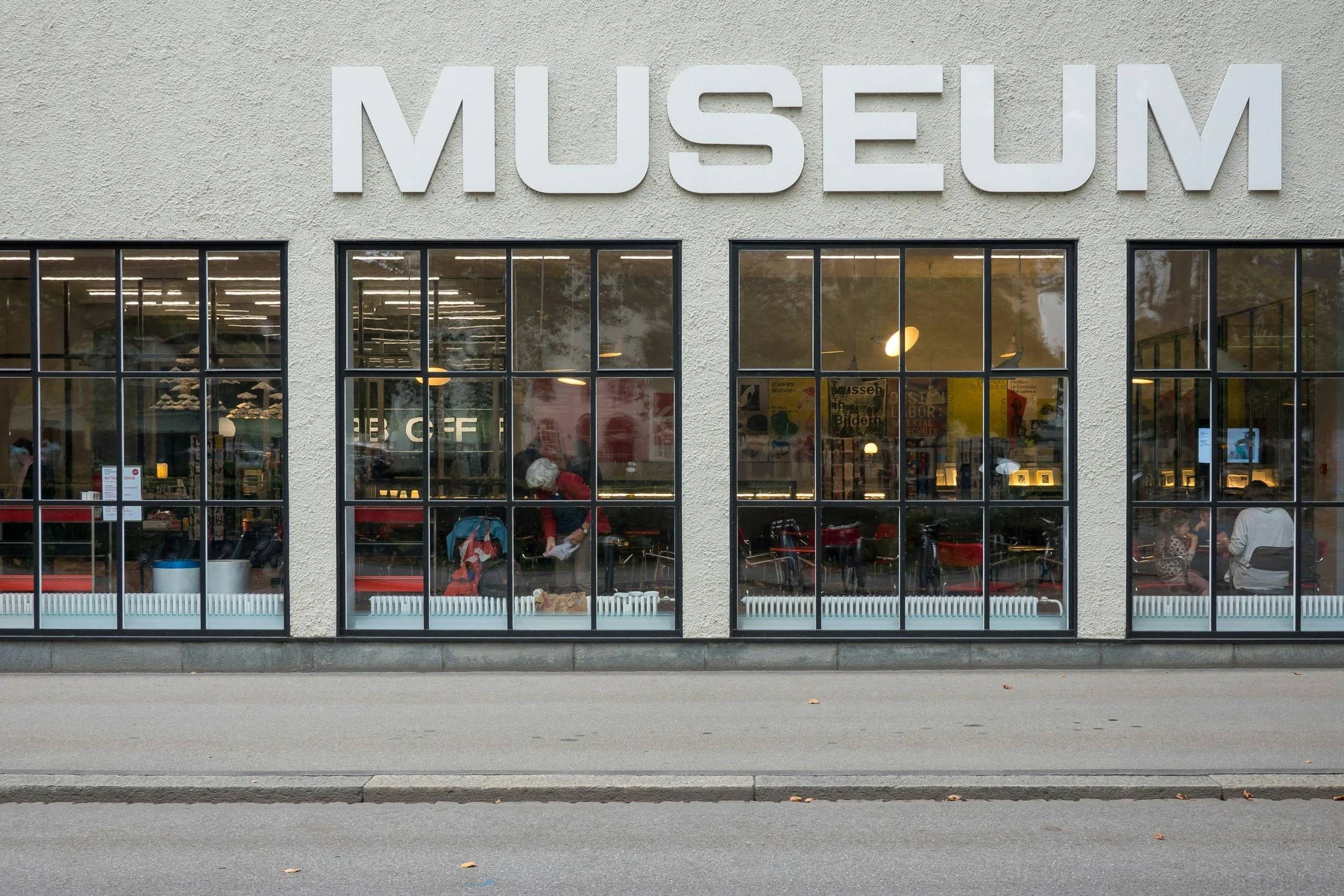
From the visitor’s perspective, those differences blur into a single impression, and that impression becomes the story they carry with them when they leave.
Where this becomes commercial
Where this becomes interesting, and where it becomes commercial, is at the point these two things meet. When experience and culture are aligned, the effect is hard to miss. The team feels like one team. The experience feels consistent. The place holds its shape, even when it is busy or under pressure.
Visitors relax into it. They trust it.
And when people trust a place, they behave differently. They stay, they return, and they spend. I’ve seen it too many times to think it’s accidental. People remember how a place made them feel. If they feel good, they buy. It’s as simple, and as complicated, as that.
In the cultural sector, we have to be more open about this. We are operating in a climate where funding is tight and expectations are rising. There can be a hesitation when it comes to talking about income, as though it sits in tension with purpose. In reality, when handled properly, experience and income support each other. A well-delivered experience strengthens commercial performance, and that performance protects the organisation’s ability to deliver on its purpose.
Back to basics
When I go into organisations, I don’t start with grand strategy. I start by asking people to walk their own space as if they have never seen it before. Arrive at the front door. Buy a ticket. Ask for help. Try to find your way without relying on what you already know.
It can be uncomfortable, but it is always revealing. You begin to notice the hesitation points, the small frustrations, the moments where things don’t quite join up. You also see what works, often quietly, without anyone having named it.
Then I turn to the teams. Do people know what good looks like in a practical sense, not as a concept but as a daily expectation? Do they understand how their actions shape the visitor’s experience? Do they feel able to act, or are they waiting for direction?
And finally, I look at whether the organisation is truly operating as one team, or as a collection of teams sharing the same building.

Because visitors can always tell the difference, even if they can’t quite put it into words.
Holding the line
What sits underneath all of this is discipline. Not in a heavy-handed sense, but in a quiet, steady commitment to consistency. Standards held, not occasionally, but all the time. Messages reinforced until they become habit. Support given so that people can do their job well.
The organisations that get this right are not always the most complex or the most resourced. They are the ones that hold the line. They are clear about what they expect, and they stay close enough to the operation to ensure it happens.
A question worth sitting with
So the question I would leave you with is a simple one. When you look at your own organisation, are you actively shaping both experience and culture, every day, with intent? Or are you assuming that, left alone, they will take care of themselves?
In my experience, they never do.
Leaving you with this …
You don’t need to overcomplicate it. Get the experience right. Get the culture right. Stay close to both. Do that with consistency and care, and performance tends to follow. Drift from it, even slightly, and you will spend your time chasing results without ever quite getting hold of them.
That’s the work.
