Don’t be a D*ck
Legacy Is Built Long Before You Leave
I picked up Legacy again recently.
Not because I was searching for another leadership framework or management theory. If you work in senior leadership long enough, you read plenty of books that promise to change your thinking. Most of them blur into one eventually.
This one never really does.
Perhaps it is because the lessons feel grounded in real behaviour rather than corporate language. Perhaps it is because the book strips leadership back to something much simpler. Standards. Humility. Responsibility.
At its heart, Legacy is not really about rugby. It is about culture.
The book explores the leadership principles behind the New Zealand All Blacks and one thing becomes immediately clear as you read it. Success was never accidental. It was built deliberately over time through discipline, accountability and collective standards that everybody protected.
That struck a chord with me because I see the same truth in the cultural and hospitality sectors every day.
The organisations that thrive are rarely the ones with the biggest strategy documents or the loudest leadership teams. They are usually the places where standards are understood clearly and lived consistently.
You feel it the moment you walk through the door.
The welcome is warmer.
The teams work together naturally.
Problems get solved quicker.
People care about the environment around them.
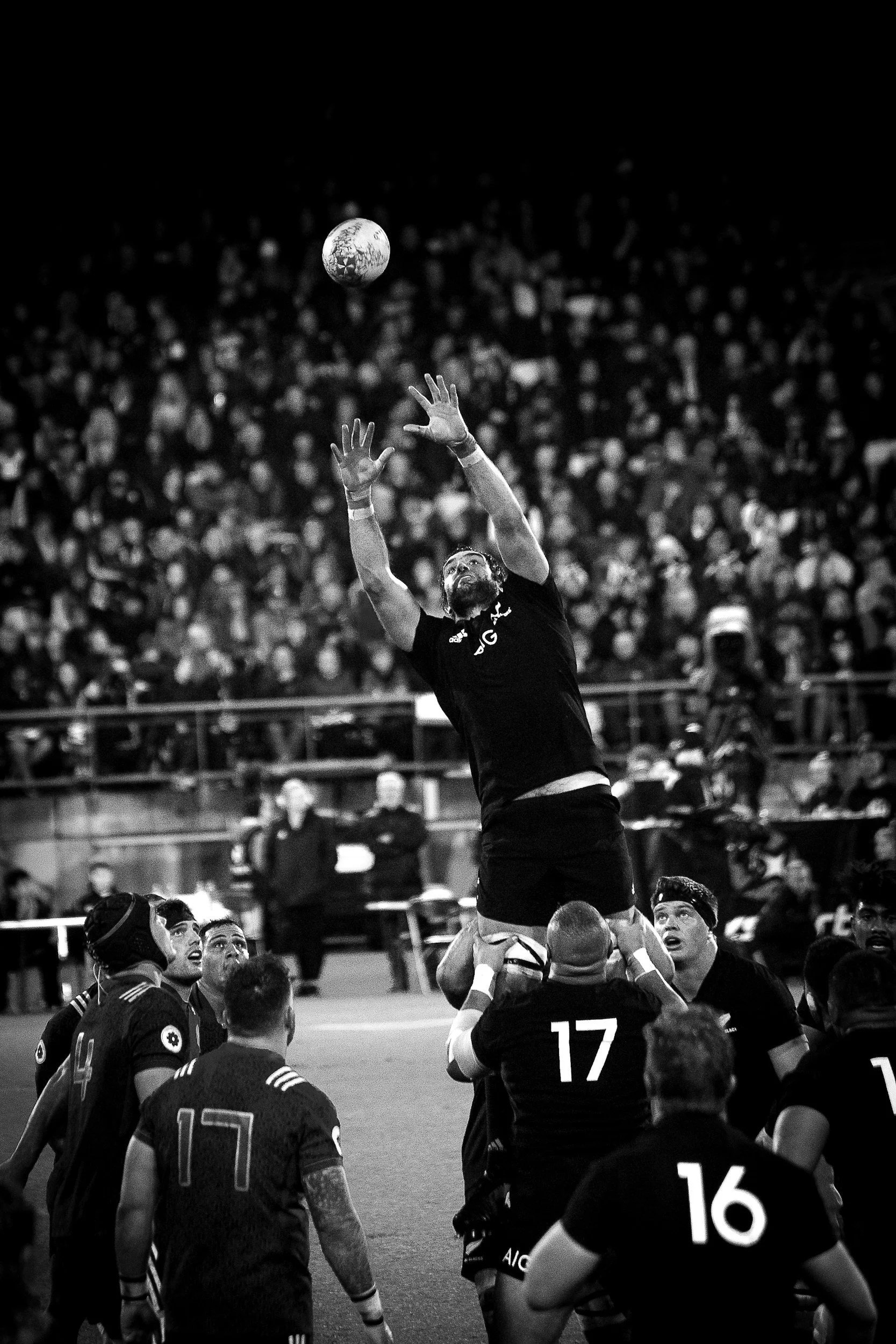
That sort of culture does not appear overnight. It is shaped slowly through behaviour, leadership and the standards people are willing to uphold when pressure arrives.
Culture Is What You Tolerate
One thing I have learned over the years is that culture is not what an organisation says about itself. It is what it allows.
You can have values printed on walls, websites and presentation slides, but if poor behaviour is tolerated long enough, those values become meaningless very quickly.
That is why one line from Legacy stayed with me more than any other.
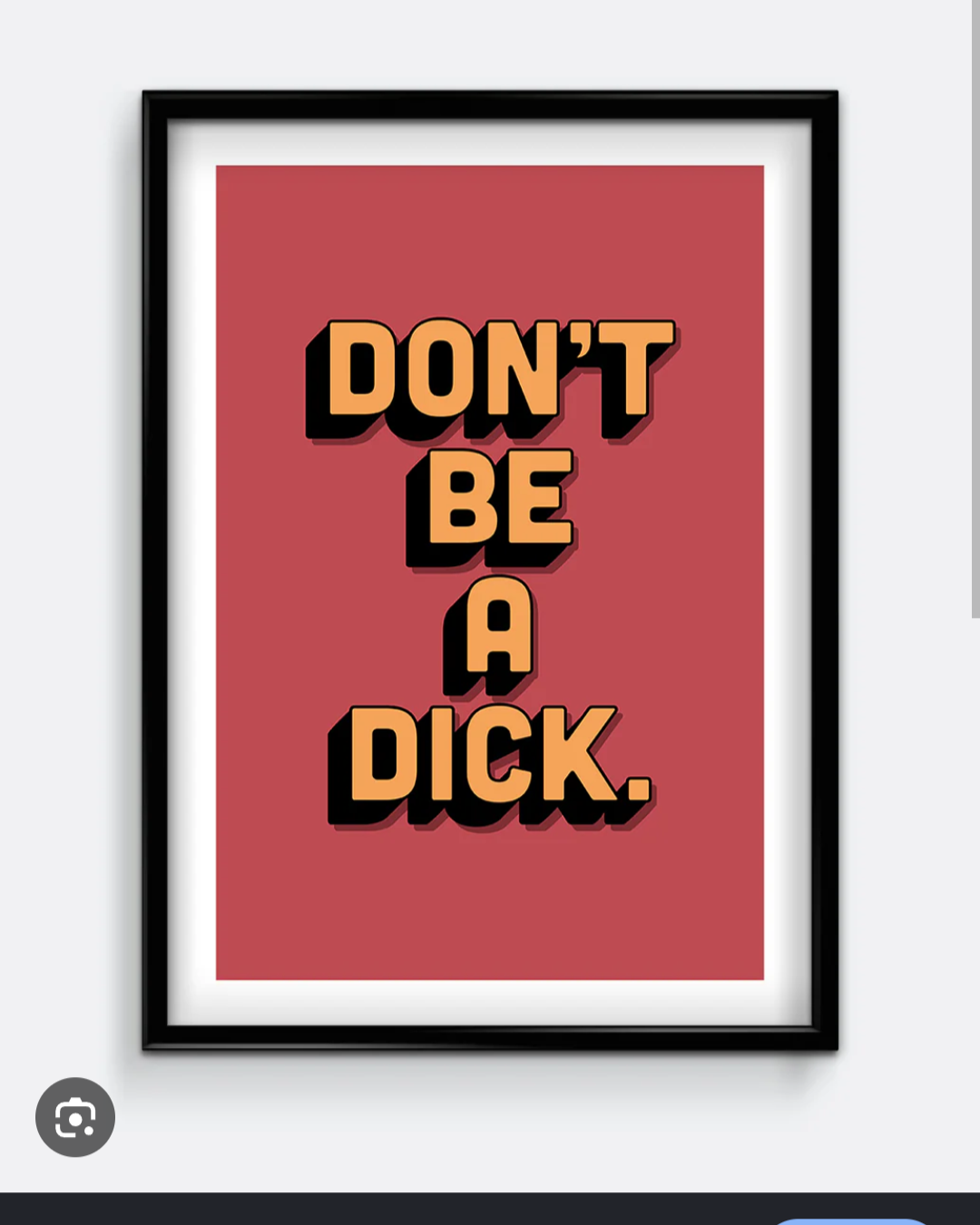
“Don’t be a dick.”
Simple. Direct. Human.
There is something refreshing about that level of honesty because too often organisations complicate what should be straightforward.
People want to work in environments where they feel respected.
They want clarity ,They want fairness and they want leaders who behave consistently.
And increasingly, talented people will simply leave organisations where those basics do not exist.
Recruitment and retention are not only about salary or benefits anymore. Culture plays a huge role in whether good people stay.
I see this particularly in visitor-facing sectors where operational pressure can be relentless. Frontline teams deal with emotional labour daily. They carry the experience of the organisation on their shoulders. If leadership tolerates poor behaviour internally, that pressure spreads quickly through teams.
Good people quietly lose energy ,Standards slip and Pride disappears.
Eventually organisations find themselves constantly recruiting but rarely retaining.
The strongest organisations understand this.
They protect culture deliberately because they know culture affects performance, resilience and reputation all at once.
Sweep the Sheds
Another principle from the book that resonates deeply with me is the phrase “Sweep the sheds.”
The idea comes from senior All Blacks players cleaning their own changing rooms after matches. No ego. No sense of entitlement. No belief that certain tasks sit beneath them because of status or seniority.
Just responsibility.
I have always admired leaders who stay connected to the operation itself. The best leaders I have worked with understand details. They know the pressure teams are under because they stay close enough to see it.
In hospitality especially, you learn quickly that respect is earned through behaviour. Teams notice everything.
They notice whether leaders support them during difficult shifts.
They notice whether standards apply equally to everybody.
They notice whether accountability disappears the higher you move up the structure.
Visitors notice it too.
You can walk into a venue and immediately sense whether teams feel valued and connected. Places with strong cultures carry a certain warmth. Even during difficult periods, there is pride in the environment and ownership amongst teams.
That matters enormously within museums, galleries and heritage organisations because visitor experience is emotional as much as operational.

People remember how a place made them feel.
Leadership Is Stewardship
I think one reason Legacy continues to resonate with so many leaders is because it reframes leadership away from status.
Leadership is not about becoming the most important person in the room.
It is stewardship.
You are temporarily responsible for something bigger than yourself. Your role is to strengthen it, protect it and prepare it properly for the people who come after you.
That feels especially important now as many cultural organisations navigate financial uncertainty and structural change. Across the sector, leaders are being asked to think more commercially whilst still protecting public trust and cultural integrity.
That balancing act is not easy.
Commercial pressure can sometimes push organisations into reactive decision-making. Teams become stretched. Communication weakens. Culture becomes secondary to survival.
Yet difficult periods are precisely when leadership matters most.
Strong cultures steady organisations during uncertainty. They create trust. They create clarity. They create resilience.
Not because everything is perfect, but because people understand what is expected of them and believe leadership will uphold those standards consistently.

Your legacy is not built at the end of your career.
The Small Things Become the Big Things
The older I get, the more I believe legacy is rarely built through grand gestures.
It is built through small things repeated consistently over time.
A difficult conversation handled properly.
A team member supported when they are struggling.
A visitor welcomed warmly.
A poor behaviour challenged early instead of ignored.
A leader staying calm when pressure rises.
That is where trust forms.
That is where culture strengthens.
That is where legacy begins.
Years from now, most people will not remember the strategy presentation or the organisational chart. They will remember how leadership made them feel. They will remember whether standards mattered. They will remember whether the culture felt respectful, fair and human.
That is the real lesson I took from Legacy.
Your legacy is not built at the end of your career.
It is built every single day in the standards you walk past, the behaviours you reward and the culture you choose to create around you.
Here’s to a bright future rooted in our rich past 🧔🏻♂️
#Leadership #Legacy #Culture #Museums #Heritage #Hospitality #VisitorExperience #EvenKeel
