Are Your KPI’s Hiding the Truth?
Let me start with a question.
If I asked you, right now, what must improve in your organisation over the next 90 days… could you answer without opening a report?
Or would you reach for a dashboard?
First, Let’s Be Clear on Terms
Before we go further, we need clarity.
I often see KPI’s and OKRs used as if they are the same thing.
They are not.
KPI’s are Key Performance Indicators. They measure how your organisation is performing today. They are ongoing, stable, and operational. They track the health of your business. In your world, that might mean visitor numbers, income against target, conversion rates, average spend, cost ratios, or contribution by activity.
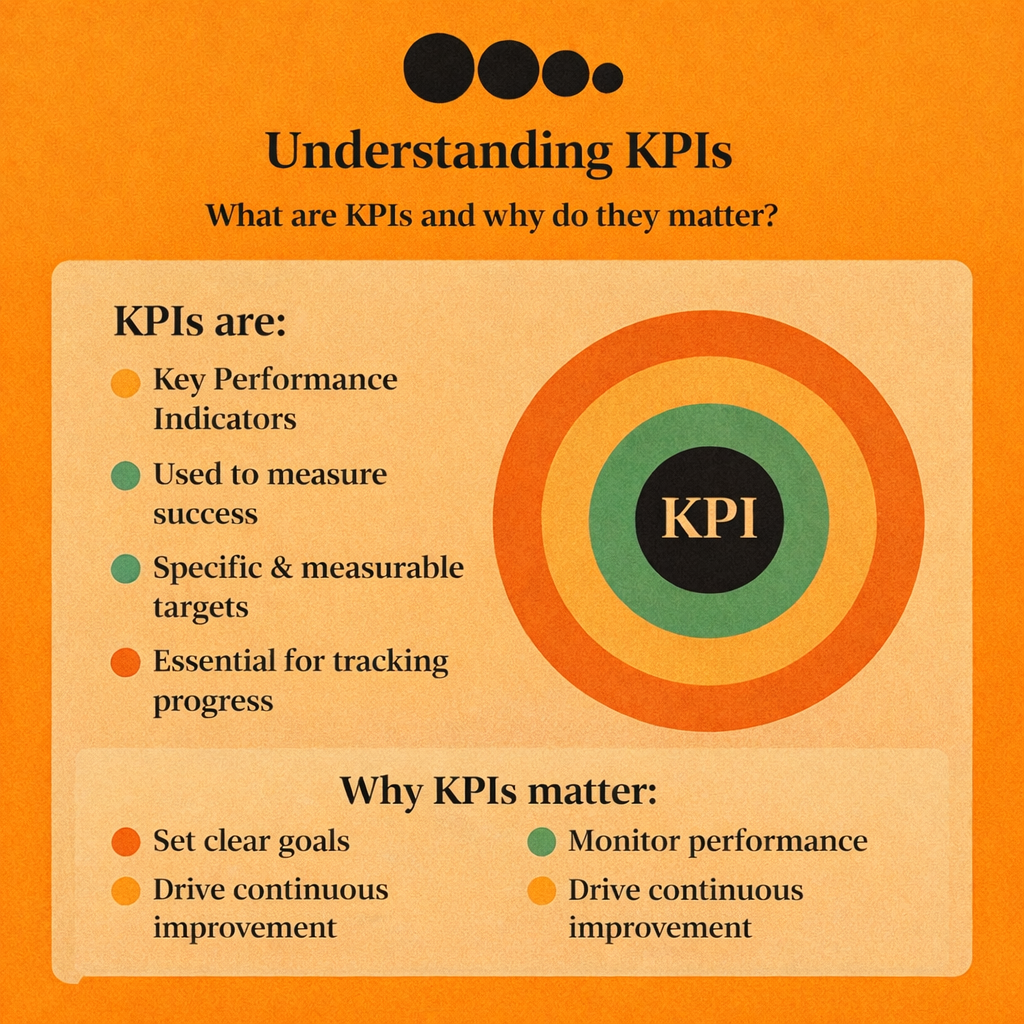
KPI’s answer a simple question:
“How are we doing?”
OKRs are Objectives and Key Results. They define what you are trying to change. They are time-bound, focused, and outcome-led. An objective sets direction. The key results make success measurable.
For example, you might set an objective to increase commercial contribution without eroding visitor experience. The key results would then define what success looks like in practice. That could include increasing average spend per visitor, improving conversion, delivering a defined level of contribution from events, and holding satisfaction above a clear threshold.
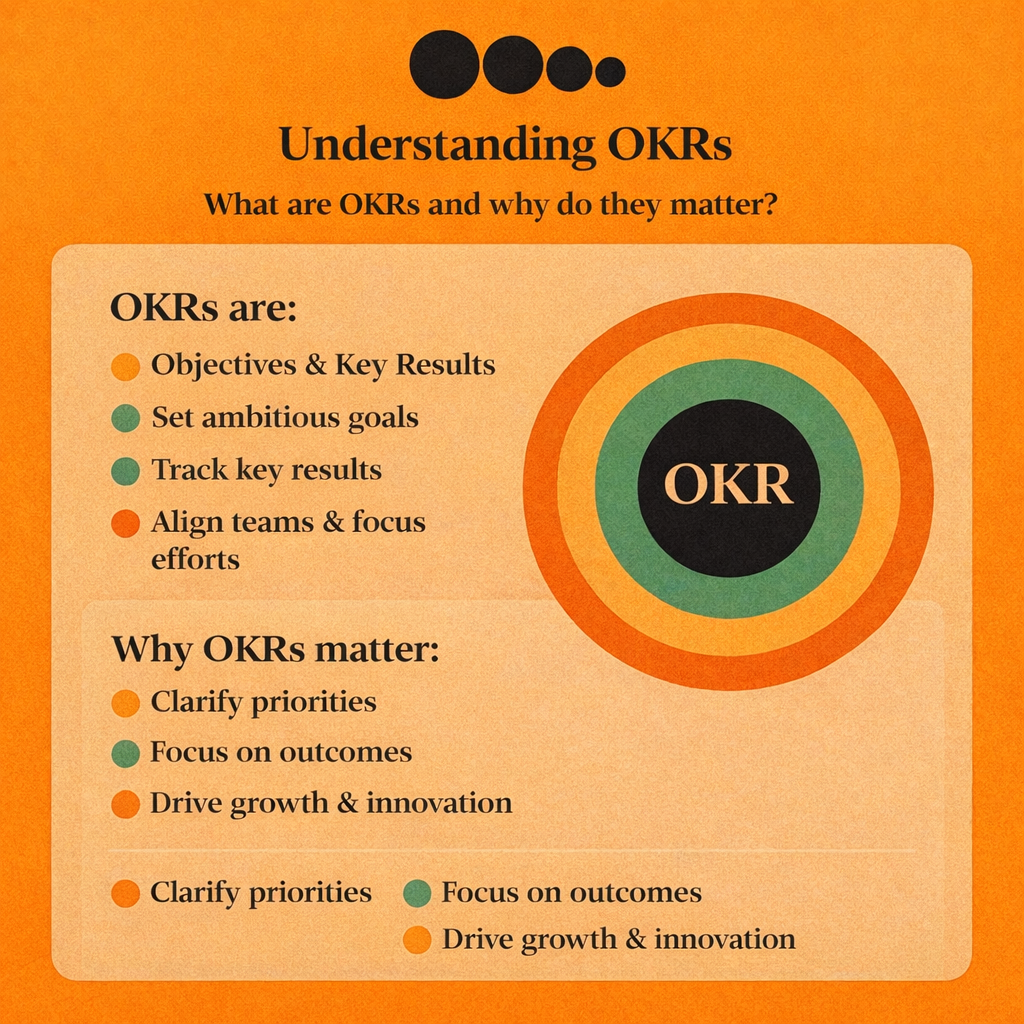
OKRs answer a different question:
“What are we improving, and how will we know?”
Now Let Me Challenge You
Because this is where it gets uncomfortable.
My Bias — Formed Elsewhere
I spent part of my career in the private sector.
It hardwires you. You know your numbers ,You hit your targets Or quite simply you are replaced.
KPI’s are not debated. They are delivered. There is very little room for interpretation. Performance is visible, and it is acted on quickly.
Then I Stepped Into the Cultural Sector
And I saw something different ,Not wrong. But different.
You are operating in a system that is not binary. You are balancing public value, access, education, conservation, and commercial income. You are accountable to multiple stakeholders, and not all of those expectations can be reduced to a single number.

That matters. It should shape how you lead.
But Here Is the Tension
Complexity can become a hiding place ,I say that with care. But also with intent.
What we See Too Often
Rooms full of capable people ,Packs full of data ,KPI’s tracked in detail.
And yet very little is actually moving There are no clear improvement targets. No defined shift in performance. No clear ownership of change.
So the conversation becomes familiar.
“We are slightly behind.” “Footfall has been soft.” “External factors are at play.”
All of that may be true. But none of it changes anything.
The Role KPI’s Actually Play
KPI’s are essential. They provide control, highlight variance, and give you early warning when something is drifting. They help you run the business with discipline.
But they do not, on their own, improve it. They describe - They do not decide.
The Role OKRs Actually Play
OKRs force a different conversation.
They require you to define what will be different, by how much, by when, and who is accountable for delivering it.
They introduce clarity. They introduce focus and they introduce a level of discomfort, because they remove ambiguity.
Why This Matters Now
The context is tightening.
Funding pressure is not easing. Expectations continue to rise. The space for drift is narrowing.
Work by McKinsey & Company consistently points to a simple pattern. Organisations that combine performance tracking with clear, time-bound improvement goals outperform those that rely on reporting alone.
The difference is not effort It is clarity And follow-through
The Meeting Test
Watch your next leadership meeting.
Notice the tone. Are you reviewing performance, or are you driving change?
When a conversation is led by KPI’s, it tends to explain what has happened. Variance is contextualised. External factors are acknowledged. The discussion moves on.
When a conversation is led by OKRs, it becomes more direct. Attention shifts to what must change. Ownership is made explicit. Actions are agreed.
One maintains the system. The other moves it.
A More Disciplined Way to Work
You need both.
But you need to use them deliberately.
KPI’s should be few, visible, and owned. They should tell you clearly whether the system is performing as expected. If a KPI moves, it should trigger a response, not just a discussion.
OKRs should be tightly defined and limited in number. They should describe the specific improvements you are pursuing over a defined period. They should be measurable, and they should sit with named individuals who are accountable for delivery.
The shift is subtle but important.
KPI’s ask: what is happening?
OKRs ask: what are we doing about it?
Being Honest
Let me ask you directly.
Where are you explaining performance instead of improving it?
Where are you tolerating drift because the system is complex?
Where have you avoided setting a clear target because it feels uncomfortable?
These are not technical questions.

They are real choices
The Balance we Need to Hold
I am not suggesting you reduce culture to a spreadsheet.
Nor am I suggesting that everything you do can or should be measured in purely commercial terms.
But I am saying this. If you cannot define improvement, you cannot deliver it.
And if you cannot deliver it, you will continue to rely on external support to close the gap.
Leave you with this
When you leave your next meeting:
Will anything actually be different…
or will you simply understand the problem better?
