Make the Tea..
A lesson I thought I'd learned
There are moments in your career that don't feel important at the time.
Years later, you realise they shaped how you think about leadership, teamwork and your own ego more than any course, qualification or management book ever could.
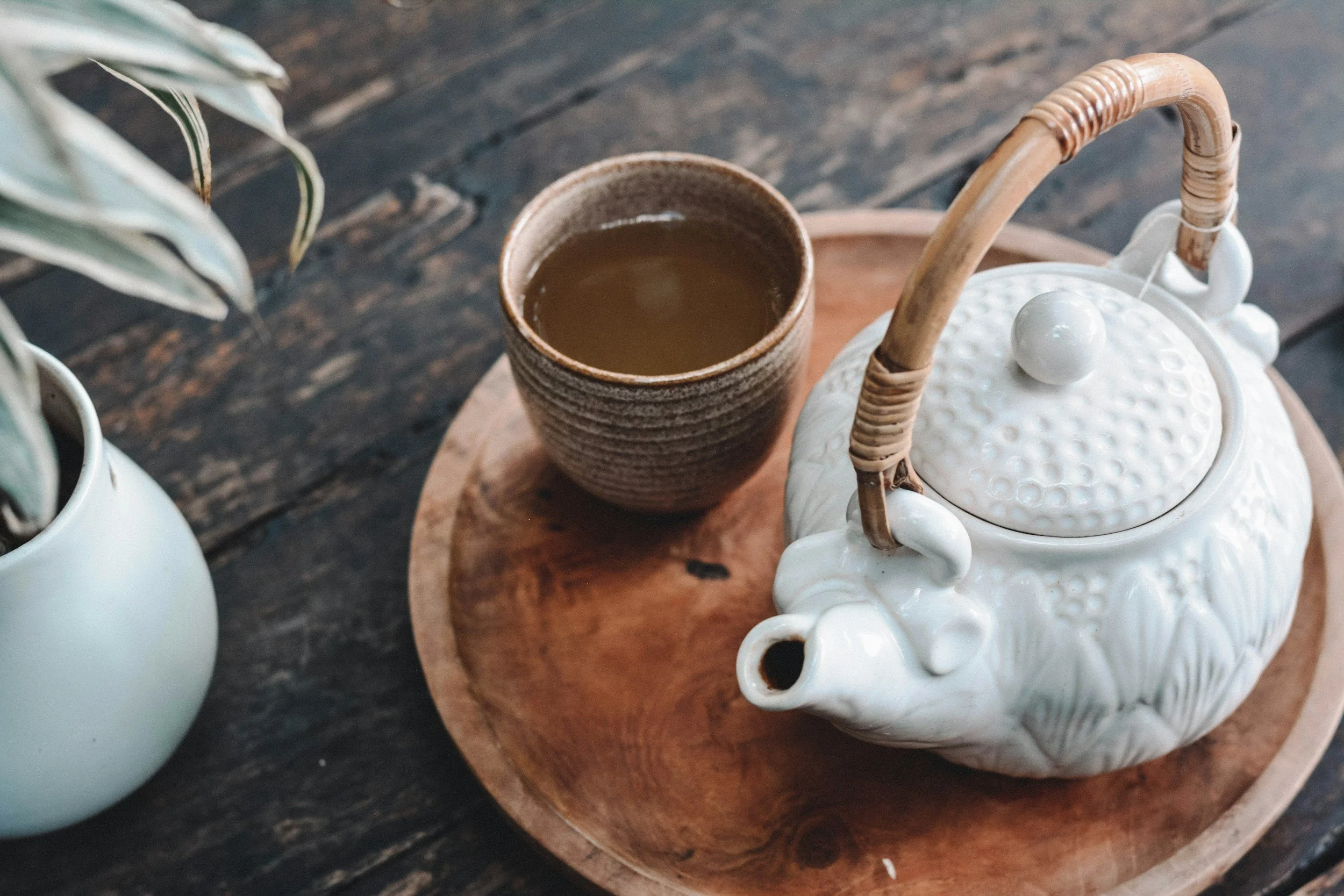
For me, it started with a pot of tea.
Not at the Palace of Holyroodhouse.
Not at a Royal Garden Party.
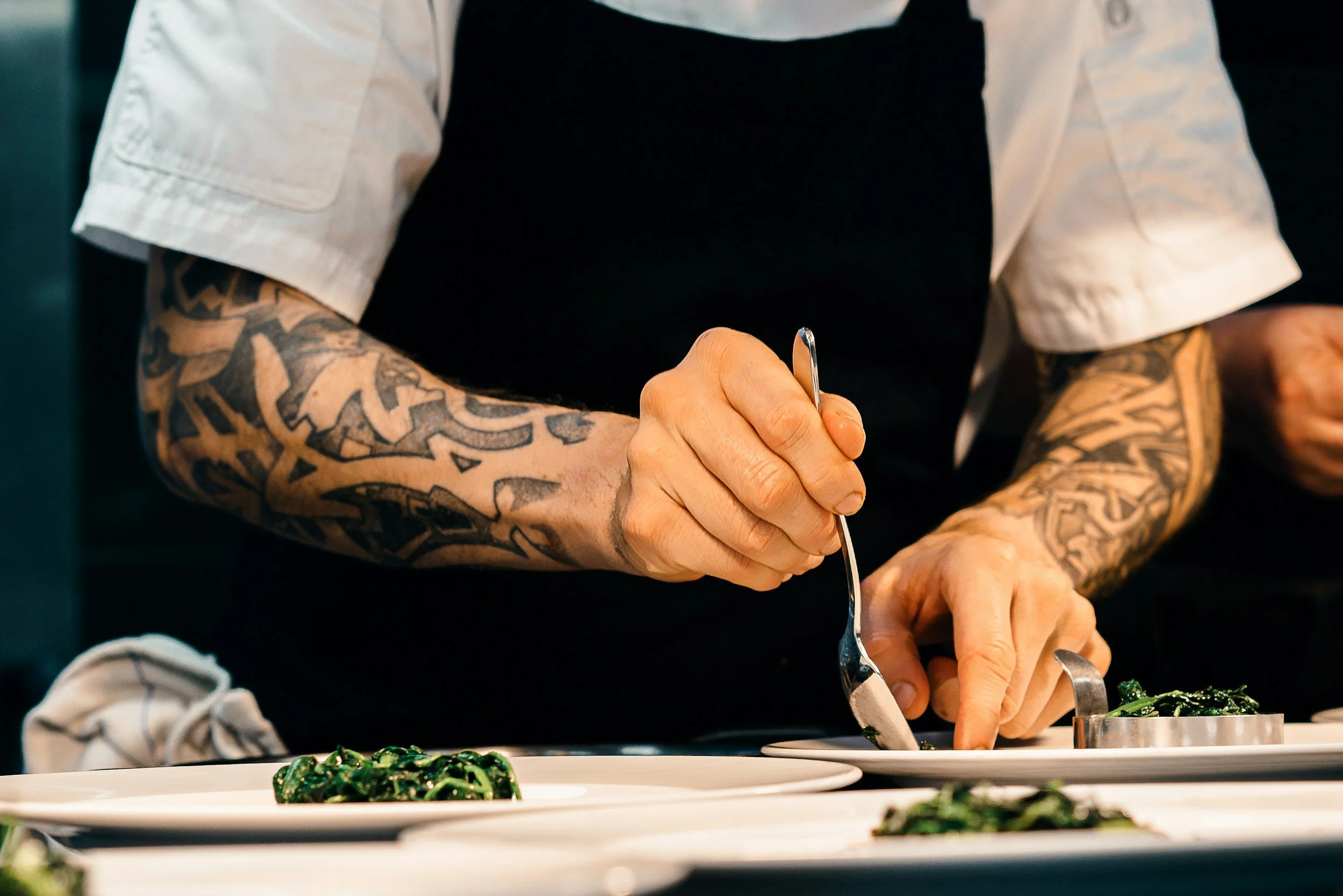
But years earlier, as a teenage commis chef in Liverpool.
The new lad makes the brews
Like most young chefs, I arrived in the kitchen desperate to impress.
I wanted to be trusted with the important jobs.
I wanted to prepare the food, work the busy sections and prove I belonged alongside chefs with years more experience than me.
Instead, I was regularly told to make the tea.
Not for the guests ,For the chefs -It wasn't punishment. It wasn't unusual. It was simply part of life in a professional kitchen.
The newest member of the brigade made sure the brews kept coming.
Fresh tea ,Strong enough. and Ready before anyone had to ask.
At 15 , though, I couldn't quite see it that way.
I remember wondering why I wasn't being trusted with something more important.
One afternoon, one of the older chefs noticed the look on my face.
He smiled and said,
"If we're waiting for tea, we're not cooking."
That was all ,No lecture ,No management theory.
Just one sentence At the time, I accepted it and carried on brewing tea.
Only later did I begin to understand what he had really been teaching me.
Small jobs don't exist
It would have been easy to dismiss making tea as a menial task.
After all, anyone could do it.
Or so I thought.
What I hadn't appreciated was that the tea wasn't the job.
The job was keeping everyone else doing theirs.
If chefs were walking away from their section looking for a drink, production slowed.
If production slowed, service suffered orIf service suffered, the guest experience suffered.
One person, doing one seemingly ordinary task well, helped dozens of other people perform at their best.
That was the job ,I didn't have the language for it back then.
Today, I'd probably describe it as removing friction. At 15, I just knew I had to keep the teapots full.
A different kitchen. The same lesson.
Fast forward a number of years and then in my early 30’s.
I found myself working at and annual event at the Palace of Holyroodhouse in Edinburgh as part of the senior leadership team.
The Royal Garden Party was one of the biggest operational events of the year.
Around 4,000 guests.Months of planning.Military precision.Every detail mattered.
As the day approached, I was asked me to make the tea for the 4000 guests.
If I'm honest, I felt offended.
A little voice in my head immediately appeared.
"Really?" me I’m the Operations director
"After everything I'm responsible for, this is what you want me to do?"
It wasn't my finest moment.
Because almost as quickly as the thought arrived, another memory replaced it.
A busy kitchen in Liverpool.
A 15-year-old commis chef.
An older chef smiling across the pass.
"If we're waiting for tea, we're not cooking."
And lets be honest there is no garden party without 4000 plus cups of tea.
I realised, in that instant, that somewhere along the way I had started confusing status with value.
Leadership has a funny way of testing us
One of the strange things about leadership is that it doesn't just test what you know.
It tests whether you've remembered what you already knew.
I'd spent years talking about teamwork, servant leadership and supporting others.
Yet the moment I was asked to do something that felt beneath my role, my ego had quietly stepped in.
The task hadn't changed.
Only my perception of it.
Making the tea hadn't become less important.
I'd simply started to believe I was too important to make it.
That realisation was uncomfortable.
But it was also one of the healthiest reminders I've ever received.
Who is making the tea?
I've thought about that story many times since.
Not because it's about kitchens.
But because every organisation has people making the tea.
They're the colleagues who quietly remove obstacles before anyone notices them.
The estates team who arrive before everyone else.
The cleaner preparing a building before visitors walk through the doors.
The finance colleague making sure suppliers are paid.
The technician checking systems before an exhibition opens.
The visitor assistant who notices someone looks lost and offers help before they're asked.
None of those jobs usually make the annual report.
Yet without them, the organisation simply doesn't function.
The whole really is greater than the sum of its parts.
Not because every role carries the same responsibility.

But because every role carries the same dignity.
.
A question I ask myself
I still hear that old chef's words from time to time.
Usually when I'm tempted to think a piece of work is beneath me.
I've learned to stop asking,
"Why am I doing this?"
Instead, I ask something different.
"Who does this help?"
Because if the answer is that it allows someone else to do their job better...
If it removes friction...
If it keeps the team moving...
Then perhaps it's one of the most important jobs of the day.
Sometimes leadership looks like standing at the front of the room.
Sometimes it looks like making the tea.
The wisdom is recognising that both deserve the same care.
