Commercial a dirty word ?
Making Peace with Commerciality
We talk a lot about commerciality in the cultural and third sector. Earned income. Diversification. Self-sufficiency.
And yes, it matters. But somewhere along the way, the conversation has become a bit binary — as if you’re either mission-led or commercially minded. It’s never that simple. Real sustainability takes nuance, experience, and a fair amount of humility.
Because at some point, you realise: you can’t make a square peg fit a round hole. And you know what that’s okay.
Mission Before Money
The organisations that last don’t start with the spreadsheet — they start with the mission.
Why do we exist? Who are we here for? And how do we make what we sell feel like part of that story?
That’s where the balance lies. It’s not about maximising profit; it’s about designing activity that deepens connection.
When you get that right, the money tends to follow. When you don’t, it feels forced — and audiences can always tell.

The Reader at Calderstones
If you want to see this balance done beautifully, visit The Reader at Calderstones in Liverpool.
At first glance, it looks like a community café and park.
Look closer and you see something much deeper — a charity using shared reading to connect people and improve mental wellbeing.
Every slice of cake, every cup of coffee, every wedding held in the Mansion House feeds back into that mission.
Commercial activity doesn’t sit alongside the purpose; it powers it.
The café isn’t there to maximise spend per head. It’s there to create a space where conversation, belonging, and reading can happen naturally.
That’s why it works. Because it feels authentic.The offer fits the audience. You can feel the values in the experience.
It’s a reminder that commerciality, done right, can be human, generous, and joyful.
Know Your Audience. Build for Them.
It sounds simple, but it’s where most strategies fall down.
We overcomplicate, overanalyse, or copy others instead of really understanding the people in front of us.
Commerciality isn’t about adding more; it’s about designing better.
If your audience wants peace and reflection, give them that. If they want energy and interaction, build around that.
It’s not about what you think will make money — it’s about what your community values enough to support.
That’s when you move from selling to serving.

Two Scousers Eating Scouse 😊
Expertise, Not Ego
The best commercial thinking doesn’t come from bravado.
It comes from quiet expertise — people who know how to read a room, sense demand, and make data work in human ways.
You can’t fake it, and you can’t force it. Sometimes, a shop won’t work. Sometimes, a café will be your best ambassador.
Sometimes, hiring out your space will undermine the experience you’re trying to protect.
That’s where leadership comes in — making peace with those trade-offs instead of chasing every opportunity.
Make Peace with It
Every organisation has its own rhythm. Its own audience. Its own definition of value.
The trick isn’t to replicate someone else’s model; it’s to find yours.
That might mean accepting that you’ll never be purely commercial — or purely charitable.
You’ll sit in the messy middle, balancing mission and money, values and viability. That’s okay. That’s where the real work happens.
Because when culture and commerce finally stop wrestling each other, they start to dance.
And when that happens — when the offer fits the audience, when the purpose shapes the profit —my, it’s glorious.
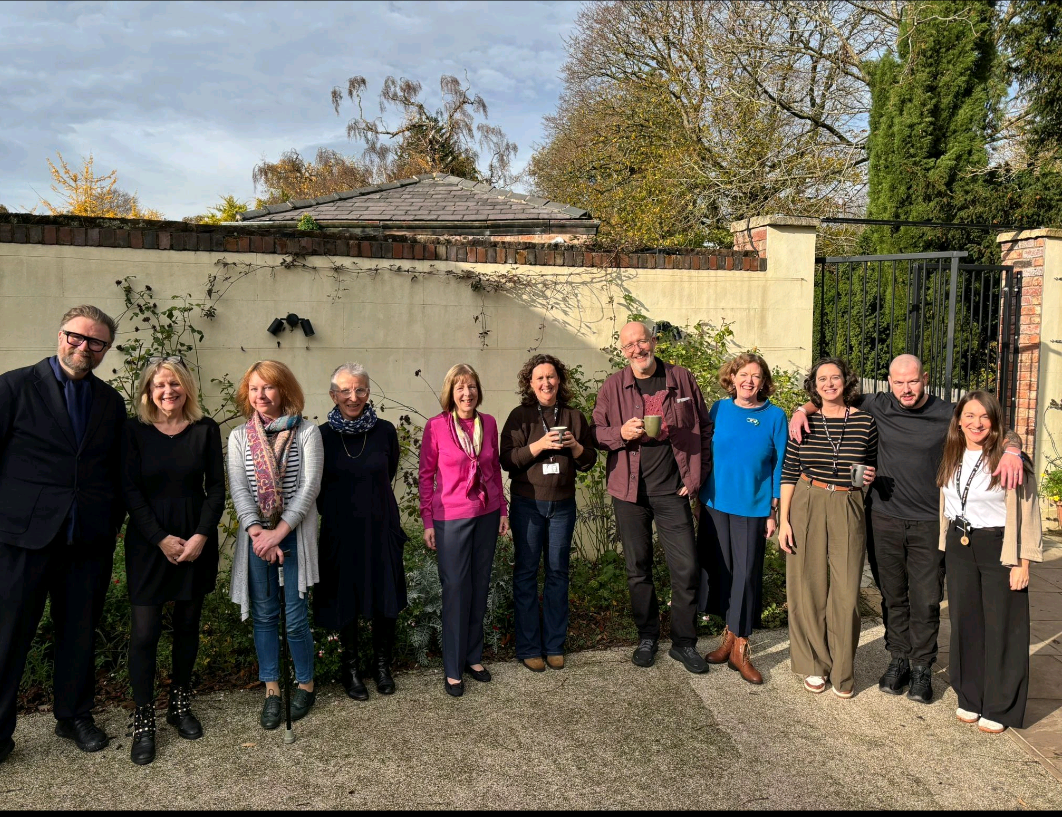
Here's to a Bright Future rooted in our Rich Past 🧔
#Culture #Leadership #CommercialStrategy #ThirdSector #PeoplePurposePerformance #EvenKeel #HospitalityInCulture #VisitorExperience #Museums #SocialImpact #TheReader #Calderstones #JamieJ
